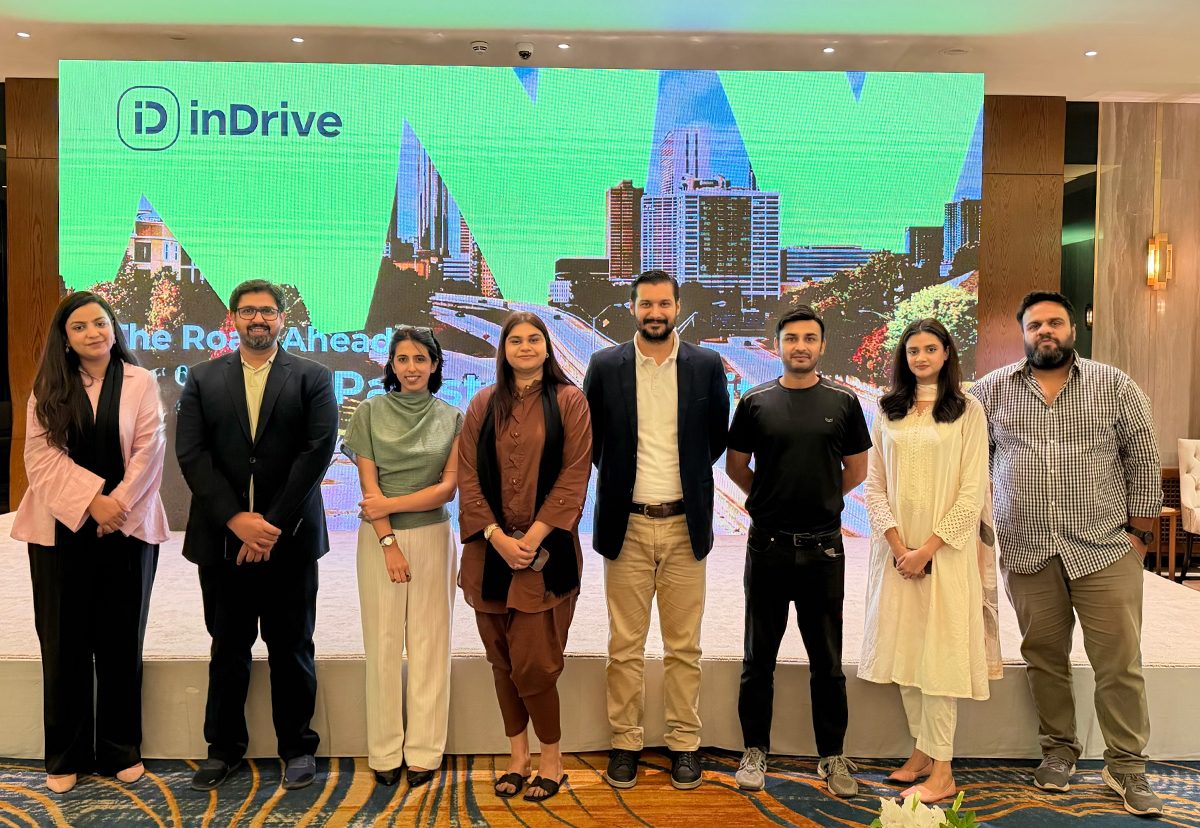
ISLAMABAD, SEPTEMBER 3, 2026: An engaging discussion on the future of Pakistan’s mobility economy organised by inDrive was held at the Islamabad Marriott Hotel, bringing together leading voices from the mobility, technology, financial services, development, and public-safety sectors.
The event featured representatives from Foodpanda, Easypaisa, Jazz World, the International Labour Organization (ILO), the World Bank, and Safe City Islamabad Authority, among many other organizations, who explored the opportunities and challenges surrounding ride-hailing, the gig economy, financial inclusion, regulation, worker protection, technology, and public safety. Optimize Digital Pakistan supported the event through end-to-end event management and communications, covering venue coordination, stage and event branding, logistics, AV production, lighting, on-ground coordination and comprehensive event coverage, ensuring a seamless and professionally executed experience.
The discussion opened with the significant growth potential of Pakistan’s mobility market. Wael Ibrahim from inDrive described Pakistan as one of the company’s largest global markets and emphasized that the country still has substantial untapped demand.
“Pakistan is one of the leading markets for InDrive globally, one of our largest markets.”
He stressed that the next stage of growth will require the entire ecosystem to work together, bringing government, regulators, investors, financial institutions, businesses, drivers, and users into the conversation.
“Growth of an ecosystem can only happen with the help and efforts of everyone in that ecosystem: industry players, regulators, investors, users, everyone.”
A major theme throughout the event was the need to modernize regulation while strengthening safety and trust. Fatima Akhtar from Jazz World highlighted the importance of updating Pakistan’s motor vehicle regulations and ensuring that regulators understand the evolving nature of digital mobility platforms.
“One thing that will really drive mobility is if the government really upgrades its motor vehicle ordinance.”
The conversation also examined the growing gig economy and the need for greater protection for workers. Geir Thomas Tonstol, Country Director of the International Labour Organization, emphasized that while the platform economy offers tremendous potential, workers must not be left vulnerable to accidents, illness, and a lack of social protection.
“We are very concerned to establish an employment relationship, so that the workers in the sector have a minimum level of social security provided for them.”
Financial inclusion emerged as another key opportunity. Iman from Easypaisa highlighted the company’s extensive digital reach and the potential to connect mobility platforms with payments, microfinance, and insurance.
“We have 18 million-plus monthly active users on the app.”
The discussion suggested that easier access to vehicle financing could also help drivers move towards greater financial independence and formal entrepreneurship. Awais Saeed, Country Manager at inDrive, described the potential transformation of drivers into micro-entrepreneurs if financing barriers could be addressed.
“If they can have their own vehicle and finance is made easier, then I think we can truly call them micro-entrepreneurs.”
Shariq Mustafa, Director Commercial at Foodpanda, highlighted the wider economic and social impact of the platform economy, including opportunities for women, differently-abled workers, and first-time entrepreneurs. He noted that approximately 95% of Foodpanda’s home chefs are women and highlighted the platform’s contribution to creating income and entrepreneurial opportunities.
“The impact goes far beyond business; it’s about creating independence and opportunity.”
From the development perspective, Hamdan Ahmed, Labour Management Specialist at the World Bank, emphasized the importance of consistent, long-term policy and greater formalization of Pakistan’s workforce.
“What’s very important is consistency in the policy.”
He also pointed to the scale of informality in Pakistan’s labour market and the potential for digital platforms and financial inclusion to help workers transition towards greater formal participation in the economy.
Public safety and technology formed another important part of the discussion. Abbas Mehdi from Safe City Islamabad Authority stressed that Pakistan must strengthen its basic systems while using technology to make mobility safer, trusted, and traceable.
“Mobility economy will grow if it is safe and trusted and a very vital point: traceable.”
He highlighted the use of facial recognition, automated number-plate recognition, and other technology-driven systems, while calling for stronger collaboration between law-enforcement agencies and mobility companies. He also discussed the potential role of dashcams, body-worn cameras, vehicle registration, and emergency-response systems in improving the safety of riders, drivers, and commuters.
Across the discussion, the evolution of Pakistan’s mobility economy emerged as a much broader conversation than transportation alone. The sector sits at the intersection of employment, entrepreneurship, digital finance, regulation, technology, and public safety, making its development relevant to a much wider part of the economy.
The event offered a clear picture of both the opportunity and responsibility that come with Pakistan’s growing mobility economy. As platforms continue to expand and technology reshapes how people work, travel, and access services, the priority will be to ensure that this growth translates into meaningful and sustainable opportunities.
For Optimize Digital Pakistan, it was an opportunity to contribute to a conversation shaping the future of mobility and the wider digital economy. Through strategic event management, creative execution, production, and communications, Optimize Digital Pakistan was proud to bring together the elements that supported a seamless and engaging experience for all stakeholders.
The discussion ultimately reinforced the importance of practical policy, responsible innovation, and stronger collaboration in building a more inclusive and connected mobility ecosystem. As Pakistan moves forward, conversations such as these can help turn emerging opportunities into meaningful economic participation, creating greater access to livelihoods, services, and opportunity for millions across the country.
